










In recent years, millets have become increasingly popular among people looking for healthier alternatives to highly refined grains. From traditional dishes such as ragi dosa and millet porridge to modern products such as millet flour, snacks, breakfast mixes and ready-to-cook foods, millets can easily become part of a balanced lifestyle.
Millets are naturally rich in carbohydrates, dietary fibre, minerals and other nutrients. Depending on the variety and how they are prepared, they can provide sustained energy and contribute to a nutritious, well-balanced diet.
For people who are interested in health, fitness, active lifestyles or better everyday nutrition, millet-based products can be a convenient addition to their meals.
1. What Are Millets?
Millets are a group of small-seeded cereal grains that have been cultivated for thousands of years. Popular varieties include:
- Ragi (finger millet)
- Bajra (pearl millet)
- Jowar (sorghum)
- Foxtail millet
- Little millet
- Kodo millet
- Barnyard millet
- Proso millet
Different varieties have different nutritional profiles and culinary uses.
Millets can be consumed as whole grains or used to make products such as flour, dosa mixes, porridge, breakfast cereals, breads, snacks and other foods.
2. Why Are Millets Considered a Healthy Food?
One of the biggest advantages of millets is that they can contribute several important nutrients to the diet.
Depending on the variety, millets can provide:
Dietary Fibre
Fibre supports normal digestion and can help you feel full after meals.
Complex Carbohydrates
Millets provide carbohydrates that can contribute to the body’s energy requirements.
Plant-Based Protein
Millets contain protein, although they should not be considered a complete replacement for high-quality protein sources.
Minerals
Many millet varieties contain minerals such as iron, magnesium, phosphorus and zinc.
Micronutrients
Different varieties provide different vitamins and other beneficial plant compounds.
Good nutrition plays an important role in an active lifestyle. Millet-based foods can be useful as part of a balanced diet for people who exercise, walk, run, participate in sports or simply want to stay active.
A. Supports Energy Requirements
Carbohydrates are an important source of energy, particularly during physical activity.
Millet-based foods can provide carbohydrates that can be incorporated into meals before or after exercise. For example, a bowl of millet porridge or a millet-based breakfast can be combined with protein, fruit and healthy fats to create a balanced meal.
Important: The amount and timing of carbohydrate intake should depend on an individual’s activity level and nutritional needs.
B. Fibre Can Support Digestive Health
Many whole millets contain a good amount of dietary fibre.
Adequate fibre intake can support:
- Normal bowel function
- Digestive health
- Feelings of fullness
- A balanced diet
However, suddenly increasing fibre intake can cause bloating or discomfort in some people. It is better to introduce higher-fibre foods gradually and drink adequate fluids.
4. Millets and Weight Management
Millets can be useful in a weight-management diet because fibre-rich foods can help promote fullness.
For example, replacing some highly refined grain products with whole-grain millet preparations may help create more satisfying meals.
However, eating millet alone does not automatically result in weight loss.
Portion size, total calorie intake, physical activity, sleep and the overall quality of the diet all matter.
This is an important point to include in the article because it keeps the content realistic and health-focused.
Breakfast is an easy place to introduce millet-based foods.
Some options include:
Millet Porridge
Millet cooked with milk or a suitable alternative, combined with fruit, nuts and seeds.
Ragi Dosa
A traditional South Indian option that can be served with vegetables, sambar or other nutritious accompaniments.
Millet Upma
Millets cooked with vegetables and spices can provide a filling breakfast or light meal.
Millet Idli
Millet-based idlis can be paired with sambar and vegetables for a balanced meal.
Millet-Based Breakfast Mixes
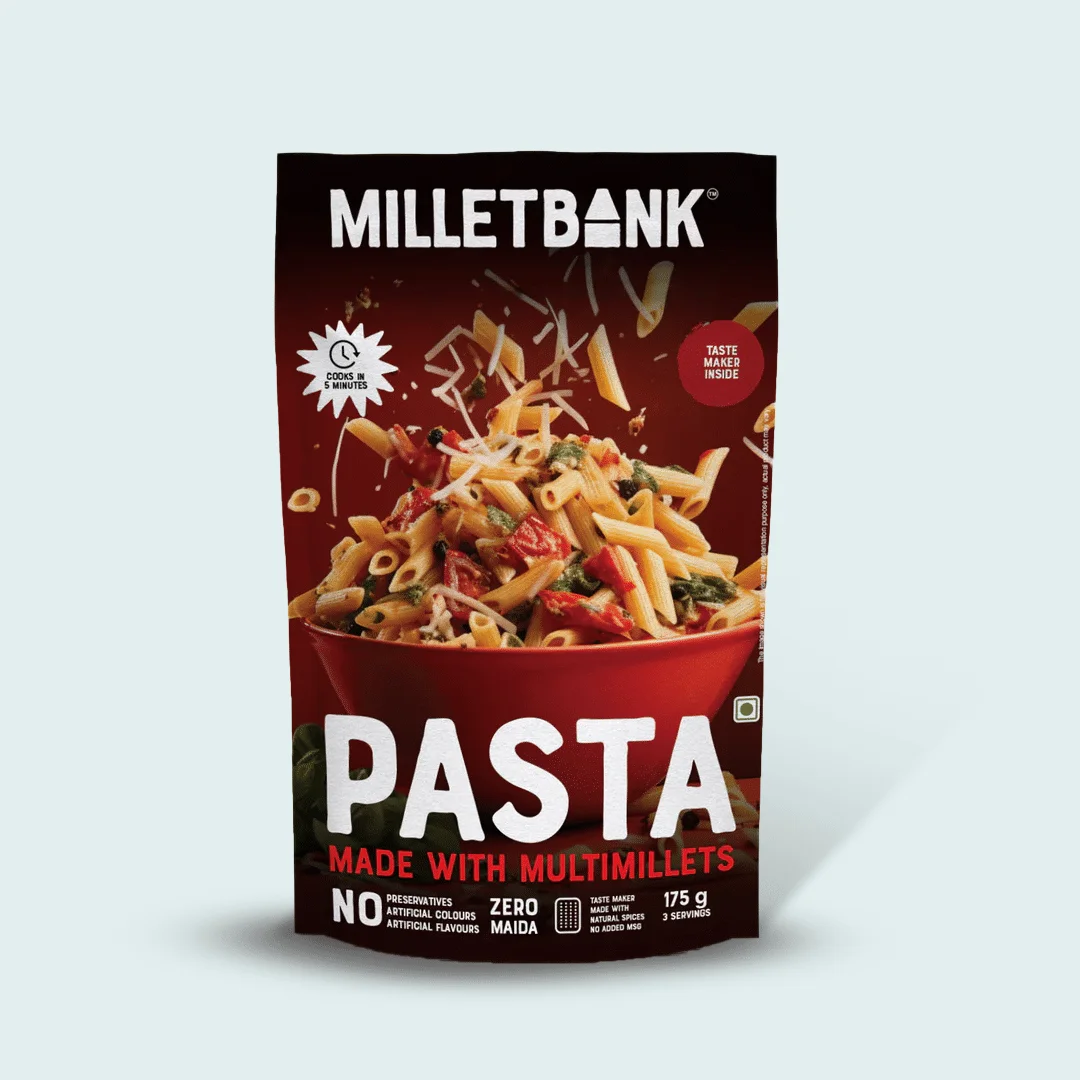
Ready-to-cook millet mixes can be convenient for people with busy schedules.
Today, consumers can find millets in many convenient forms.
Some examples include:
- Millet flour
- Ragi flour
- Millet breakfast mixes
- Millet flakes
- Millet porridge mixes
- Millet dosa and idli mixes
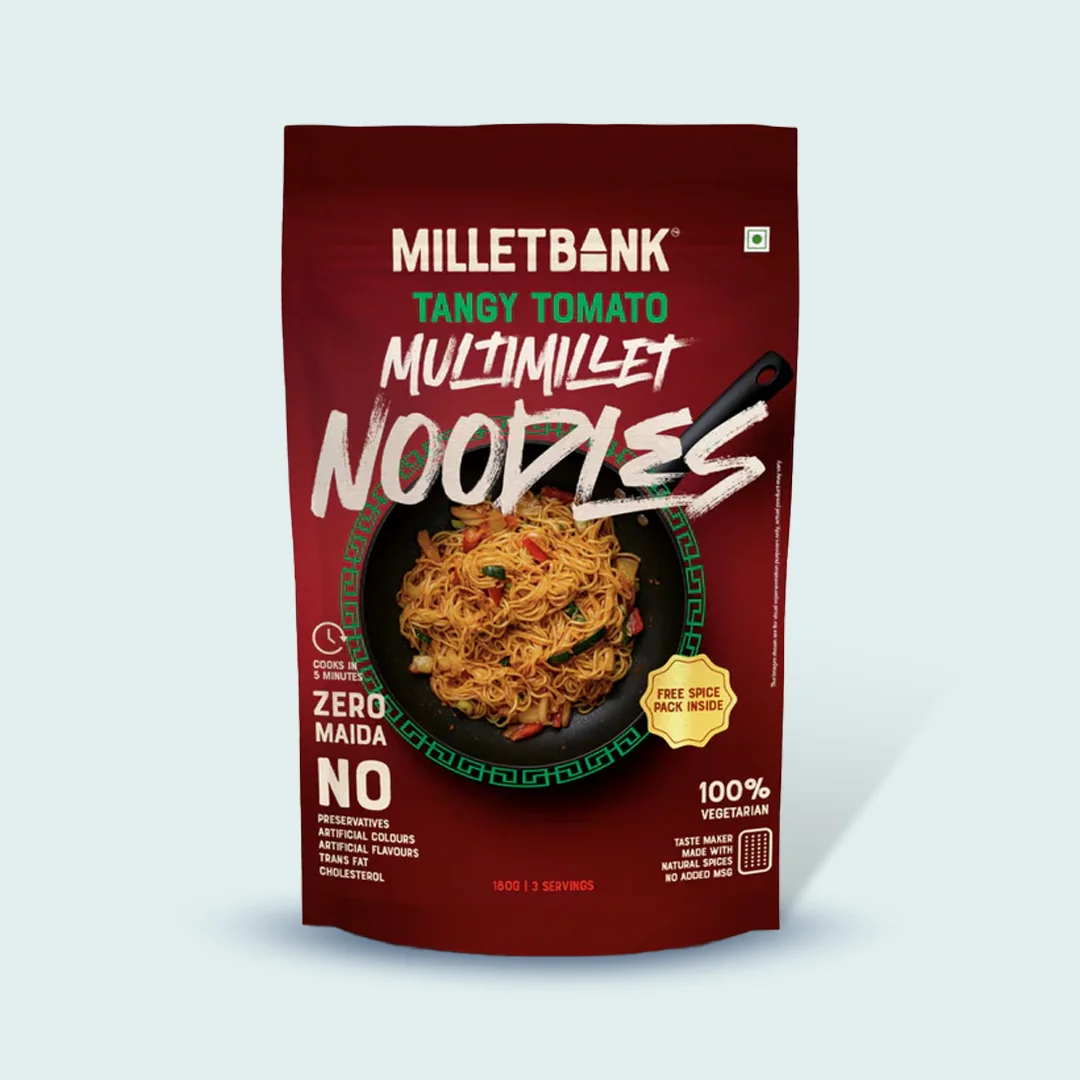
- Millet noodles
- Millet-based snacks
- Millet biscuits
- Ready-to-cook millet products
These products can make it easier to incorporate millets into a modern lifestyle.
However, not every product labelled “millet-based” is necessarily equally nutritious. Some packaged products may contain added sugar, salt, fat or refined ingredients.
Therefore, checking the ingredient list and nutrition information is important.
7. Choosing Healthier Millet-Based Products
When buying packaged millet products, look for:
Higher Whole-Grain Content
Check where millet appears in the ingredient list.
Adequate Fibre
Compare nutrition labels when choosing between similar products.
Lower Added Sugar
This is particularly important for breakfast cereals, snacks and flavoured products.
Reasonable Sodium
Some packaged savoury foods can contain significant amounts of salt.
Simple Ingredients
Products with fewer unnecessary additives may be preferable depending on the product category.
Appropriate Portion Size
Even nutritious foods contribute calories, so portion size still matters.
For people who exercise regularly, a balanced diet should contain more than just carbohydrates.
A good meal can combine millets + protein + vegetables/fruit + healthy fats.
For example:
| Meal | Millet Source | Protein Source | Other Foods |
|---|---|---|---|
| Breakfast | Ragi dosa | Eggs / curd | Vegetables |
| Lunch | Millet rice | Dal / fish / chicken | Vegetables |
| Snack | Millet-based snack | Nuts / curd | Fruit |
| Dinner | Millet roti | Paneer / dal | Salad / vegetables |
This approach makes millets one component of an overall balanced eating pattern rather than treating them as a “superfood.”
9. Ragi: A Popular Millet for Everyday Nutrition
Ragi, also known as finger millet, is particularly popular in South India.
It can be used to prepare:
- Ragi dosa
- Ragi idli
- Ragi porridge
- Ragi roti
- Ragi malt
- Ragi-based snacks
Ragi is known for its calcium content and also provides dietary fibre and other nutrients.
For children, adults and older people, ragi can be included in meals in different forms according to individual dietary needs.
One of the easiest ways to enjoy the benefits of millets is to combine them with familiar foods rather than completely changing your diet.
For example:
Instead of:
Regular rice every day
Try:
Millet rice occasionally as part of a varied diet.
Instead of:
Refined flour-based breakfast every day
Try:
Ragi dosa or another whole-grain millet preparation.
Instead of:
Highly processed snacks
Try:
A suitable millet-based snack together with fruit, nuts or another nutritious food.
The goal is not to eliminate traditional grains completely but to increase variety and overall nutritional quality.
11. Who Can Include Millet-Based Foods?
Millets can be included in the diets of many healthy adults and children as part of a varied diet.
They may be particularly useful for people who:
- Want to increase whole grains in their diet
- Prefer traditional grains
- Want more dietary fibre
- Follow an active lifestyle
- Want more variety in their meals
- Are looking for alternatives to refined grain products
People with specific medical conditions or dietary restrictions should discuss major dietary changes with a qualified healthcare professional or registered dietitian.
12. Simple Ways to Add More Millets to Your Diet
You don’t have to completely change your eating habits.
Start with small changes:
Monday: Ragi dosa for breakfast
Tuesday: Millet upma
Wednesday: Millet-based snack
Thursday: Ragi porridge
Friday: Millet roti
Saturday: Millet-based breakfast mix
Sunday: Millet rice with vegetables and a protein source
The key is variety and balance, rather than eating one particular grain at every meal.
13. Millet + Healthy Lifestyle = Better Nutrition
Millets can be a valuable part of a healthy lifestyle, but they work best when combined with other healthy habits.
A balanced lifestyle includes:
Nutritious food
↓
Regular physical activity
↓
Adequate hydration
↓
Good sleep
↓
Healthy body-weight management
↓
Regular health check-ups
No single food can provide everything the body needs.
Conclusion
Millet-based products offer a convenient and versatile way to add whole grains, fibre and important nutrients to everyday meals. From traditional ragi dosa and millet porridge to modern ready-to-cook products and snacks, there are many ways to incorporate millets into a healthy lifestyle.
For people interested in health and fitness, the best approach is to use millets as one part of a balanced diet, alongside vegetables, fruits, protein-rich foods, healthy fats and adequate hydration.
Rather than searching for a single “superfood,” focus on building a varied, nutritious and sustainable eating pattern that fits your lifestyle.